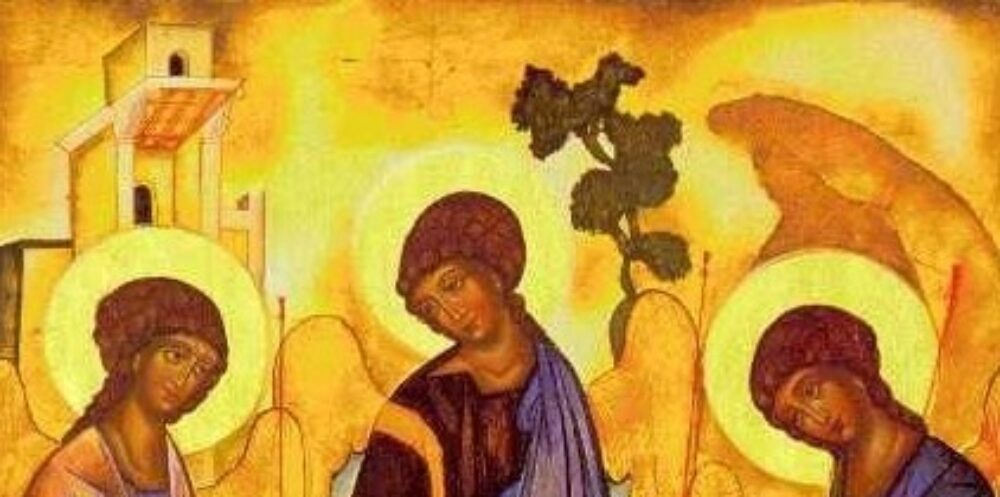
Jesus Christ:
Theological Reflection On the Person
Paul, called s an apostle of Jesus Christ by the will of God, and Sosthenes our brother,
To the church of God which is at Corinth, to those who have been sanctified in Christ Jesus, saints by calling with all who in every place call on the name of our Lord Jesus Christ, their Lord and ours:
Grace to you and peace from God our Father and the Lord Jesus Christ.
I thank my God always concerning you for the grace of God which was given you in Christ Jesus, that in everything you were enriched in Him, in all speech and all knowledge, even as the testimony concerning Christ was confirmed in you, so that you are not lacking in any gift, awaiting eagerly the revelation of our Lord Jesus Christ, who will also confirm you to the end, blameless in the day of our Lord Jesus Christ. God is faithful, through whom you were called into fellowship with His Son, Jesus Christ our Lord.
Now I exhort you, brethren, by the name of our Lord Jesus Christ, that you all agree and that there be no divisions among you, but that you be made complete in the same mind and in the same judgment. 1 Corinthians 1:1-10
Intro: Paul’s first letter to the Corinthians is theologically rich
Not a theology of abstract concepts, but of truth that is meant to be lived
– he gives an explanation and outline for celebrating Communion (11:20-34)
• he provides more information of the church as a living organism than anywhere else (ch. 12)
• he describes how a charismatic church is to conduct its meetings (ch. 14)
• he includes a lengthy discussion on the fact of resurrection (both Jesus’ and ours; ch. 15)
• and nothing else in any of his writings matches Paul’s lyrical exploration of love in chapter 13
– the highlighted words above indicate the way Paul filled the letter’s introduction with Jesus
• this was obviously intentional,– he could have used a pronoun more times than just in verse 5
Paul wanted to make clear that Jesus was the agent of God’s work in their lives
– in Jesus they were:
- v. 2, made holy (“sanctified”), prepared to encounter God in worship
- vv. 3-4, given access to grace – Jesus is the “conduit” of God’s grace (Ro. 5:1-2)
- vv. 5-6, spiritually enriched and their Christians lives stabilized
- vv. 7-8, equipped for service and held through life “to the end”
- v. 9, kept in relationship with him, secured by God’s faithfulness
- vv. 16-25, saved by the power of the cross, in which God’s wisdom and power are revealed
– verses 30-31 are a summation of this first chapter
But by His doing you are in Christ Jesus, who became to us wisdom from God, and righteousness and sanctification, and redemption . . .
• then in chapter 2, verses 1-16, we learn that Jesus opens the door to the Spirit
• this may seem like a lot, but it’s only the tip of the theological iceberg
Last week we reviewed Jesus’ role as the designer, guide and provider of our spiritual journey
– today I want to stress the necessity and value of theological reflection on Jesus
• last week’s talk was intentionally relational; this week’s is intentionally rational
Continue reading